Black Marlin Defense Weekly – July 9, 2025
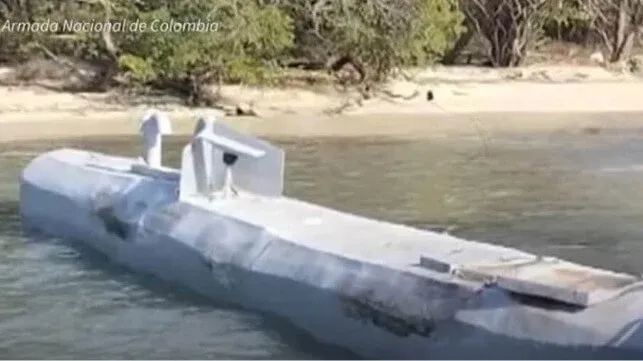
Last week, the Colombian Navy captured something that should give every American defense leader and investor pause: an unmanned narco-sub stealthily crossing the Pacific, using Starlink for command and control, and operating in contested waters under constant threat.
It is embarrassing, though I do not want to go too hard. We are the most technologically advanced country in the world. We should be all over this, but we cannot get anything completed. Our maritime industrial base is lagging.
And if you think that is hyperbole, consider the parallels.
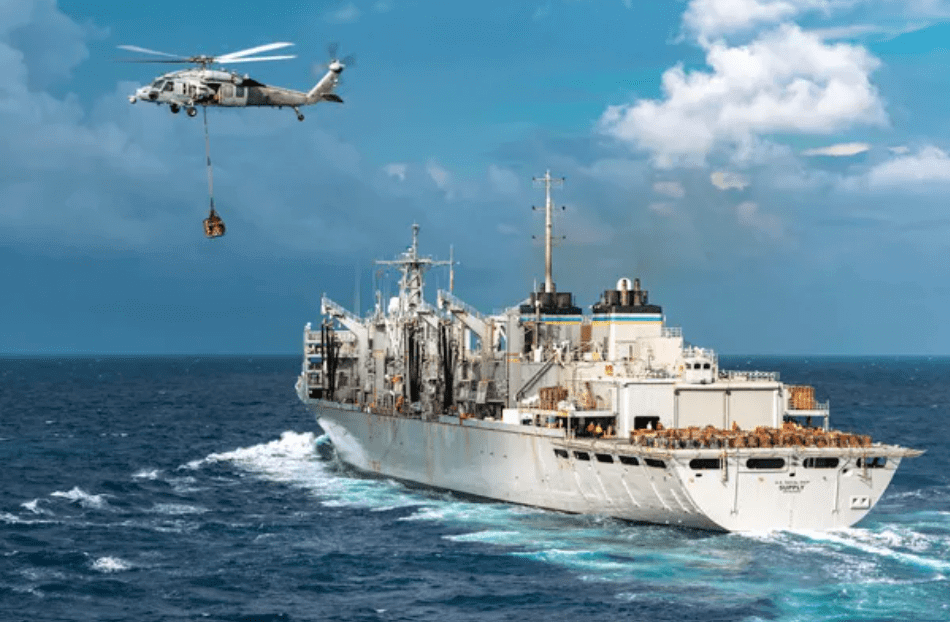
The cartels are moving tons of cocaine across thousands of miles of ocean, hunted relentlessly and forced to operate covertly in waters every bit as dangerous to them as the South China Sea would be to us. We are trying to figure out how to move tons of weapons, communications equipment, and supplies to Marines under the shadow of the PLA Navy. Yet the cartels have already built networks of low-profile, expendable vessels that achieve their mission reliably.
Imagine if the Marines could supply forward units as effectively as the cartels supply American cities with drugs.
Of course, I do not see much true dual-use potential for these types of submarines. Submarine as a service could take the form of contracted diesel-electric platforms that reduce the massive logistical tail of traditional submarines and can be deployed on a case-by-case basis. That approach might deliver real savings and operational flexibility. While the defense and intelligence communities would have plenty of appetite for this capability, beyond research or exploration, the commercial case is likely very limited. Still, the underlying issue here is not really about dual-use. It is about learning from an adversary who ships working systems while we are still in PowerPoint.
Hypothetically, If the US government ran into an engineer who could mass-produce these craft with high precision, I would certainly hope they could pay off their jail time by helping the good old United States (Operation Paperclip?)
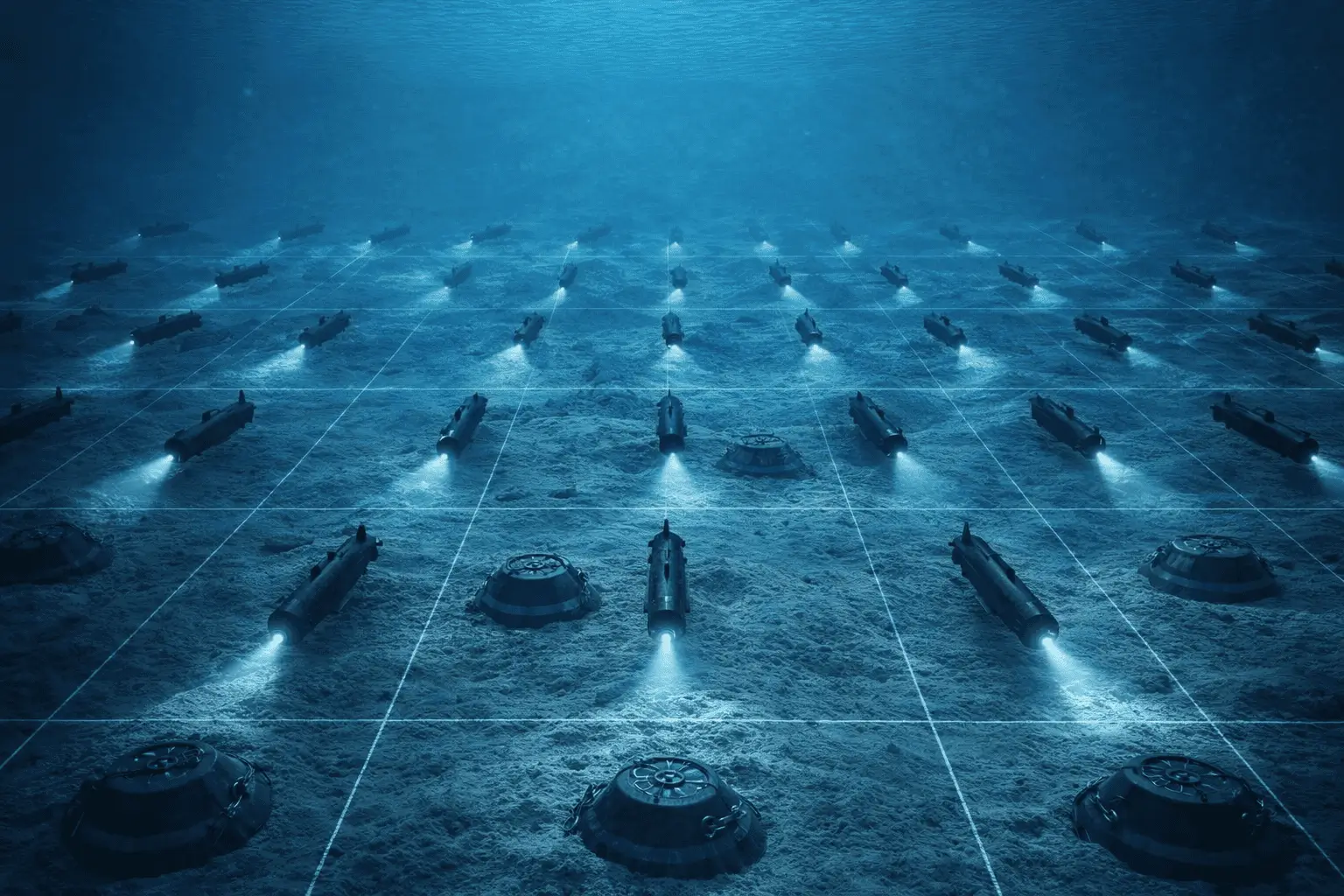
The technology is not science fiction. Starlink has already been marinized by other startups. The question is how deep it can go, who can scale this, and what underwater PNT looks like when you try to operate entire armadas of contested logistics platforms.
Criminal syndicates have always been innovative. I am sure there are already folks inside the government looking at equivalent technologies, but we should take lessons from the cartels’ approach and push for efficiency. Before Starlink, it took three guys five days to set up a Viasat station that barely worked. We have to believe that ingenious people will find a way. Let’s build on what they have built.
Some will say these systems are unproven. My response is simple: then fail fast and fail hard. It is unproven until you prove it. Now is the time to try. There is capital out there waiting for the Elon Musk of underwater navigation.
Take the next step. Find out who the players are. Attend key demonstrations. Talk to specialized venture firms with backgrounds in this arena. This is something America needs. American dynamism depends on it. If you are serious about exploring this space, reach out and I can help you build a roadmap.