Black Maritime Defense Weekly – 16 July, 2025
Why it matters: Naval priorities are colliding with venture innovation. Here’s what’s moving fast and what’s not.
1. Autonomy = Table Stakes
The Navy CTO and SECDEF are making a serious bet on uncrewed maritime systems.
👉 Translation: Expect a wave of founders claiming they are the next Anduril.
Zoom in:
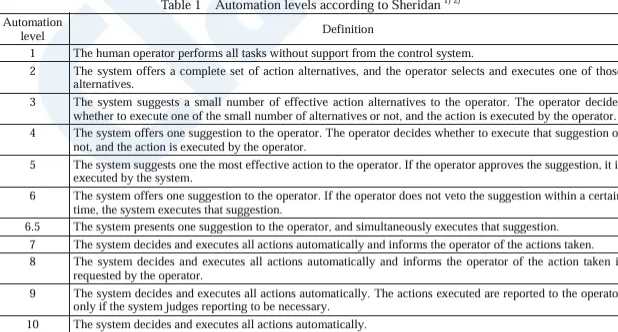
This surge in ambition is overdue, but it will also bring noise. Everyone will say their solution is autonomous. The truth is, a lot of teams are just offering waypoint-to-waypoint navigation with a human supervising. That might get through a firm’s diligence and even pass some early tests, but it is not a unicorn and it is not anything new. It is a generation behind what the Navy and serious investors are betting on. If you want real ROI, look for teams that either already demonstrate adaptive, level four autonomy or have a credible glide slope to get there. Anything less means you end up with a clever piece of hardware that cannot think for itself and cannot integrate next-generation data streams. The founders who solve this will define the next era of naval autonomy. The rest will look polished but stay stuck in the shallow end. The rest will burn time and capital.
2. China Is Mapping the Fight
The New York Times reports Chinese ships are mapping seabeds near Taiwan and Guam.
👉 Not science class. This is prepping the battlefield.
Zoom in:
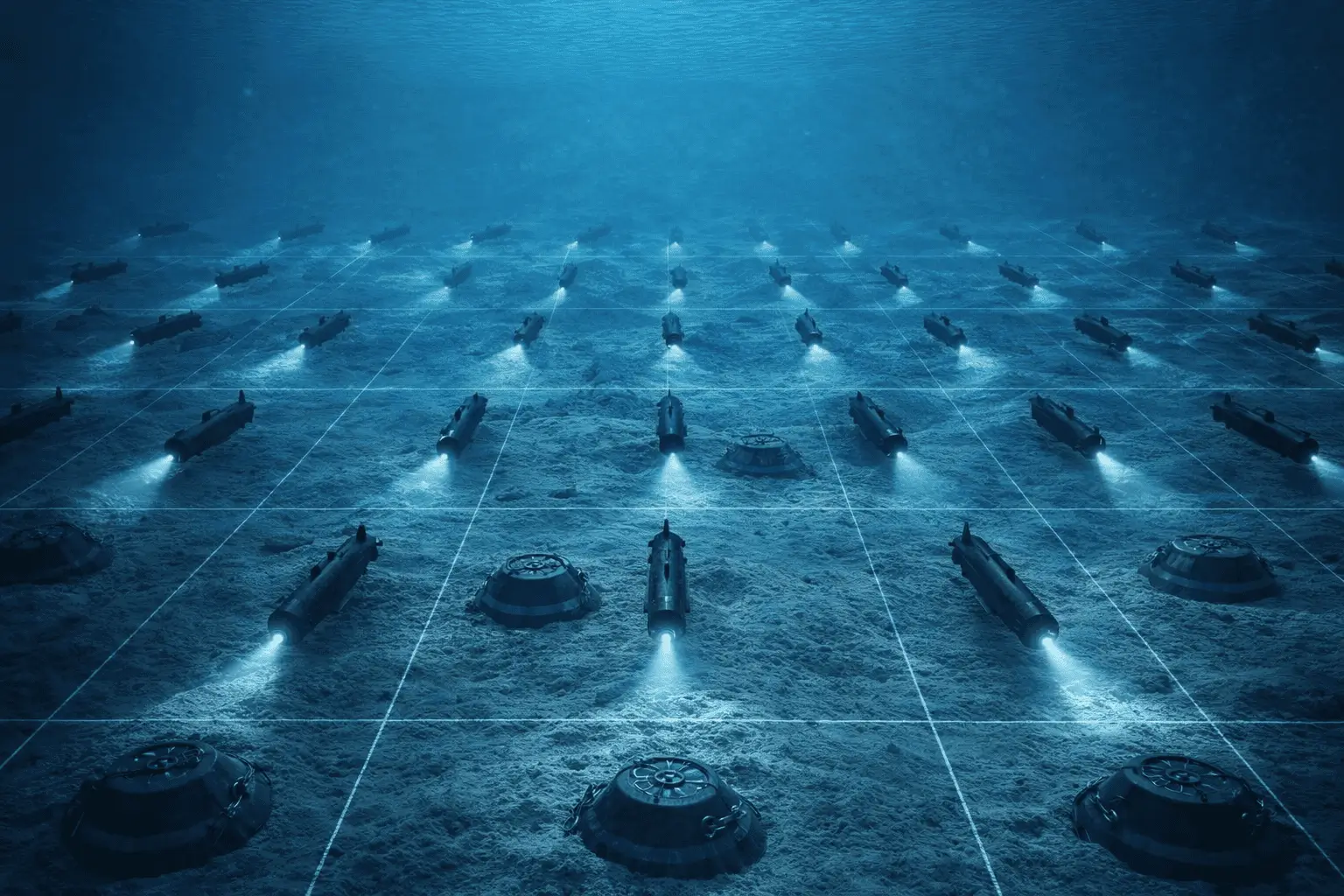
The lesson: Always be selling, but always be mapping. Commercial subsea data is going to be the hidden oil of this decade. We do not have the coverage we need. There is a real opening for founders to build prototype business models around mercenary seabed mapping, collecting, segmenting, and packaging high-value datasets for defense or commercial buyers. Investors should look for teams with clear plans to prioritize and monetize the collection of subsea terrain, infrastructure, and acoustic signatures. The only way to build the undersea situational awareness we need is through tight public-private partnerships. The window is open. Smart operators will step through it before the big primes wake up.
3. Not Every Drone Gets Funded
The War Zone reports the Navy killed torpedo tube-launched drones.
👉 Lesson: Even obvious ideas can die in the bureaucracy.
Zoom in:
The torpedo tube-launched drone made perfect sense on paper, so why did it fail? It shows how submarine integration is still a hard wall. This is exactly why Submarine-as-a-Service concepts could matter. They let startups prove representative performance and build pressure on program offices to get flexible around integrating new systems. There is also a huge upside for founders working on solid-state, pressure-tolerant batteries that can pass safety hurdles. Sub payload integration is still the holy grail. If you can field a reliable, test-validated system, there is a massive payday waiting. But count on needing your own demo infrastructure and a long runway before the submarine community signs off.
The takeaway:
Autonomy is accelerating. Seabed data is strategic. Sub-systems are a slog, but worth it. Bet on modular, validated tech.
Let’s connect if you are navigating this space.
https://www.doncio.navy.mil/ContentView.aspx?ID=19320
https://defensescoop.com/2025/07/10/hegseth-memo-unleashing-us-military-drone-dominance-deadlines/
https://www.nytimes.com/2025/07/10/world/asia/china-ships-taiwan-guam.html
https://www.classnk.or.jp/hp/pdf/research/rd/2021/04_e04.pdf