Black Marlin Defense Weekly – July 25, 2025
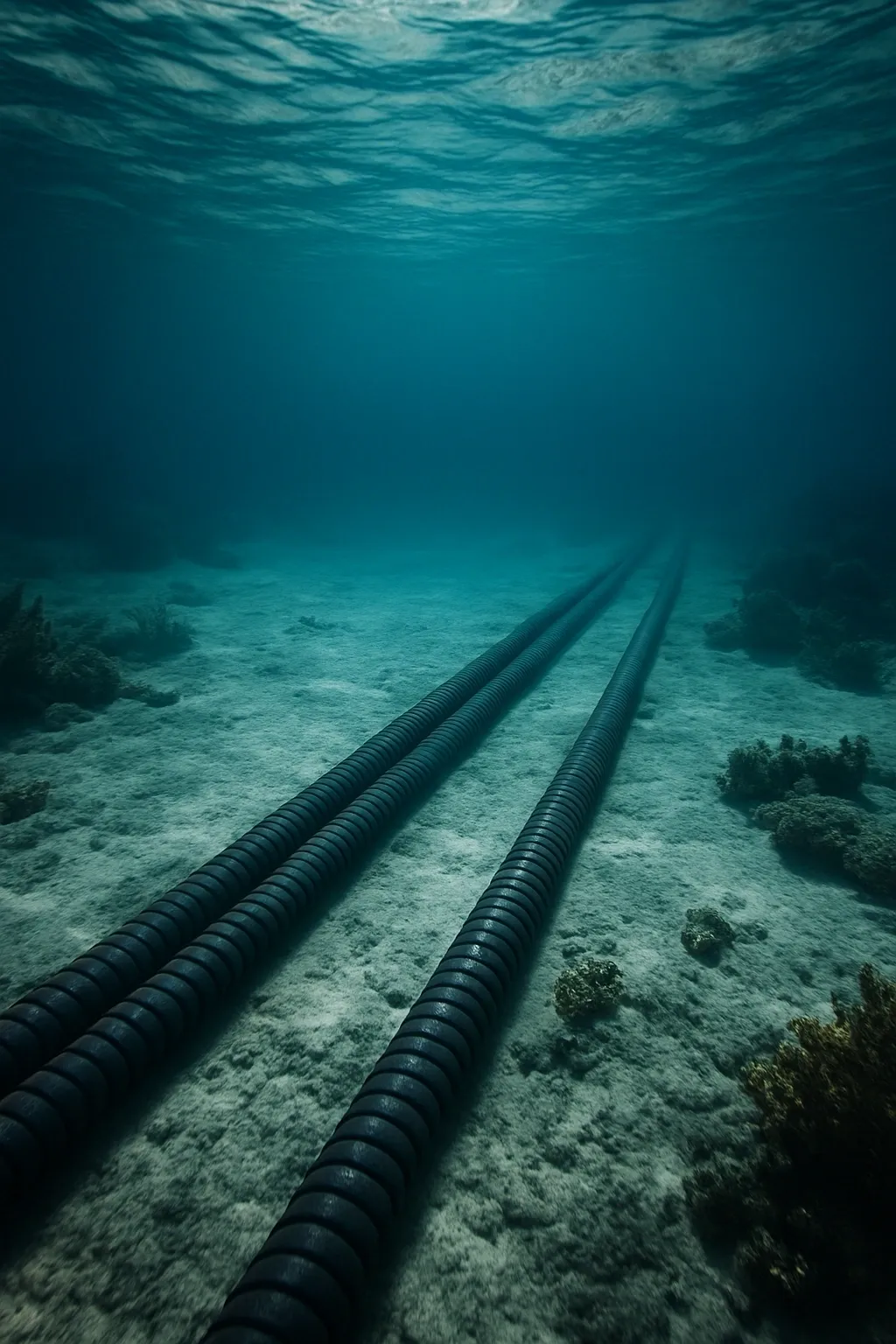
Recently, a notable article from Financial Times titled “Securing the Future: The U.S. Ban on Chinese Technology in Submarine Cables” highlighted a pressing issue in maritime defense. The piece delves into how these undersea cables, which carry the majority of the world’s data, are critical to both national security and global commerce. It’s a real-world example of the vulnerabilities we face and the need for proactive, well-informed strategies.
At Black Marlin Defense, we see this as a moment to broaden the conversation. Yes, the article focuses on submarine cables, but when we look at the broader maritime domain, the challenges multiply. The maritime environment is vast, multifaceted, and often underestimated by those who haven’t seen it up close.
With Chinese suppliers increasingly restricted from infrastructure touching Western communications networks, a vacuum opens. This vacuum is not just in hardware but in software, maintenance, encryption, diagnostics, threat detection, and platform integration.
This creates immediate dual-use opportunities for venture-backed startups in:
- Trusted microelectronics and hardened chipsets for subsea environments
- Quantum-secure encryption for undersea and shipboard data
- Autonomous maintenance and inspection platforms for cables and seabed assets
- Digital twin and systems modeling for long-range undersea networks
- Seafloor awareness sensors that integrate commercial and defense data
American and allied governments are now looking to build sovereign resilience, and that means de-risking procurement by seeding a new bench of trusted, agile suppliers. Startups that can prove relevance, reliability, and defensibility stand to benefit.
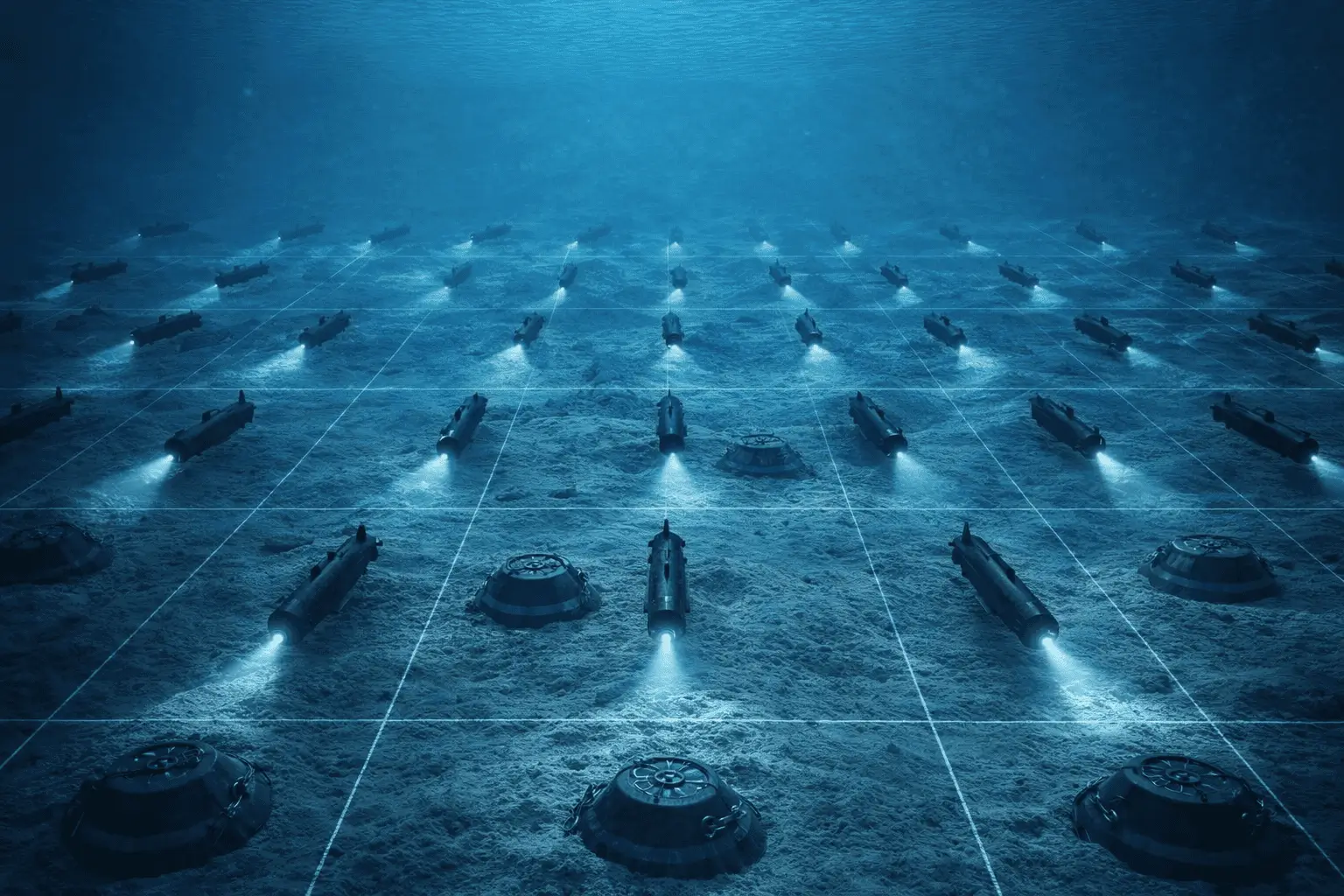
Around the same time, the Defense Innovation Unit launched its Transparent Ocean solicitation (PROJ00623) focused on persistent undersea sensing.
So now what? This is not a greenfield. It is a hostile, remote, power-constrained, and physically punishing operating environment. Three things stand in the way of fast scaling:
- Harsh reality: Seafloor deployments involve intense pressure, low visibility, and long distances. Startups must be hardened…literally
- Procurement inertia: Legacy systems still dominate. Getting program managers and CIOs to integrate new suppliers into cable or maritime infrastructure projects is difficult without real performance data.
- Operational ignorance: Many funders and founders simply haven’t been at sea. They don’t understand the time scales, logistics, or data flow challenges that dominate maritime systems engineering.
Enter Black Marlin’s suggestion: Adopt the due diligence AI/ML mantra for the maritime domain: “Genchi Genbutsu”.
The Japanese principle of Genchi Genbutsu, famously used at Toyota, teaches that decision-makers must physically go to the source of a problem to truly understand it. For venture firms exploring undersea and maritime tech, this is operational necessity.
If you’re evaluating a startup claiming to build underwater autonomy, encrypted mesh for subsea comms, or seabed-deployed energy storage, you should ask:
- Have you operated in a saltwater environment for more than a prototype test?
- Do you understand naval test ranges, installation windows, and seabed rights-of-way?
- Have you worked with commercial maritime operators, who might be your best testbeds?
- What TRL is your system under pressure and latency? Not just in a lab?
- Have you gone to the pier, the shipyard, or the comms vault?
“Seeing” doesn’t mean hopping on a ship for a photo op. It means interfacing with end users, walking through operations, and recognizing that a product’s value lives or dies in field performance.
We believe in the principle of “Genchi Genbutsu” or “go and see for yourself”. By bringing this mindset to the maritime domain, founders can better understand the scale of what they’re tackling, and VCs can ensure their investments are rooted in reality.
Our goal with this post is not just to highlight a current event, but to offer you a deeper understanding of why the maritime realm demands a unique approach. It’s about more than just technology; it’s about a strategic, informed perspective that can only come from real experience.
And that’s what we bring to the table at Black Marlin Defense. We’re here to provide that insight and to ensure that whether you’re a founder or a VC, you have the knowledge you need to make impactful, informed decisions.